
1 August 2026 · 4 min read
Most UK businesses aren't directly involved in the Middle East conflict. But that doesn't mean they're insulated from its consequences.
From the price of diesel to the cost of importing goods from China, geopolitical events thousands of miles away can have a surprisingly direct impact on British companies.
The ongoing conflict involving Iran is a good example of how quickly disruption to global energy supplies can filter through to exchange rates, shipping costs and ultimately a company's bottom line.
Why does Iran have such an influence on oil prices?
The answer is largely geographical.
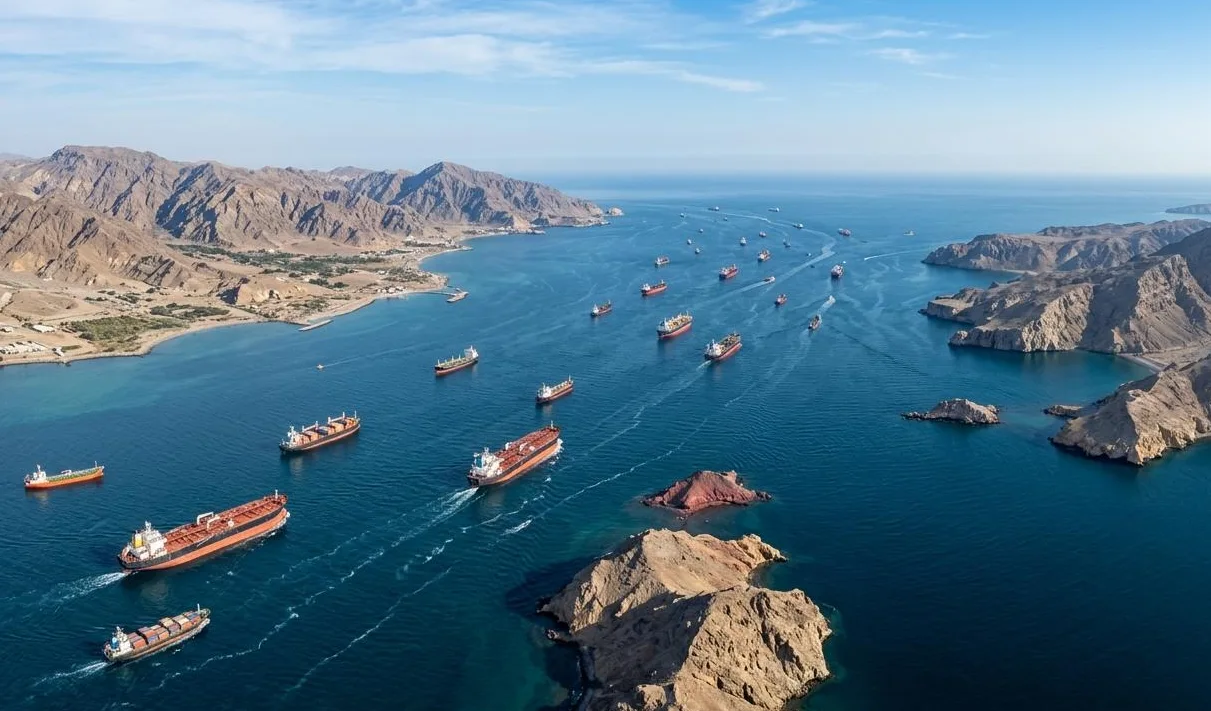
Iran sits alongside the Strait of Hormuz, one of the world's most important shipping routes. Under normal circumstances, roughly a fifth of global oil consumption passes through this narrow stretch of water.
Disruption to shipping through the Strait can restrict supplies, increase insurance costs and force vessels to take alternative routes.
Following the escalation of conflict in February 2026, oil prices rose sharply, with Brent crude moving from around $70 per barrel before the conflict to above $100 during March, according to the House of Commons Library (opens in a new tab).
Even businesses that never purchase oil directly can feel the effects.
Higher energy costs affect manufacturers, transport operators, airlines and logistics providers. Those businesses then face difficult decisions about whether to absorb the additional expense or pass it on to their customers.
What does this mean for exchange rates?
Oil prices and currencies are closely connected, although the relationship isn't always straightforward.
Oil is predominantly traded in US dollars. When energy prices rise sharply, global demand for dollars, inflation expectations and investor sentiment can all change.
During periods of geopolitical uncertainty, investors may also favour currencies they consider relatively safe, including the US dollar.
For a UK company paying overseas suppliers in dollars, a weaker pound can make an already expensive situation considerably worse.
Consider a business importing $500,000 worth of goods.
| GBP/USD exchange rate | Cost in sterling |
|---|---|
| 1.35 | £370,370 |
| 1.30 | £384,615 |
| 1.25 | £400,000 |
That's a difference of nearly £30,000 between the strongest and weakest rates, without the supplier changing their dollar price.
These are illustrative exchange rates, rather than actual market quotations.
The knock-on effect for supply chains
Currency movements are only part of the problem.
Businesses importing raw materials, components or finished products may also face higher freight charges, longer delivery times and increased insurance premiums.
Imagine a UK manufacturer sourcing components from Asia. Its supplier invoices in US dollars, while the manufacturer sells its finished products in sterling.
If shipping costs increase by 15%, the pound weakens and deliveries take an additional three weeks, the company could find itself paying more for stock while waiting longer to turn that stock into revenue.
For businesses operating on relatively tight margins, that combination can be particularly uncomfortable.
Research published by the British Chambers of Commerce in May (opens in a new tab) found that 80% of surveyed businesses were already experiencing, or expected to experience, an impact from the Iran conflict.
What can UK businesses do to protect themselves?
Nobody can reliably predict the next geopolitical development or its impact on currency markets.
However, businesses can take practical steps to reduce their exposure.
Review currency requirements in advance. If you know you'll need to purchase $1 million over the next six months, consider whether leaving the entire amount exposed to exchange rate movements is appropriate.
Consider forward contracts. These allow businesses to agree an exchange rate for a future transaction, providing greater certainty over sterling costs. They can also involve contractual commitments and should be matched to genuine requirements.
Avoid concentrating all your currency purchases on one day. Buying in stages can reduce reliance on a single exchange rate, although it won't guarantee a better overall result.
Review your working capital. Longer shipping times and increased inventory costs can create cash flow pressure. Trade finance or other working capital facilities may help bridge the gap between paying suppliers and receiving customer payments.
Look beyond the supplier's quoted price. Freight, insurance, financing and foreign exchange costs should all be considered when calculating the true landed cost of imported goods.
Preparation matters more than prediction
Geopolitical events are outside the control of individual businesses. Their financial impact doesn't have to be entirely unpredictable.
Having a clear view of upcoming currency requirements, access to suitable finance and a plan for unexpected supply chain disruption can make a significant difference.
At Ocean Capital Exchange, we help UK businesses manage international payments, currency exposure and working capital requirements.
Whether you're importing goods, paying overseas suppliers or reviewing your existing foreign exchange arrangements, understanding your options before the next market movement is a sensible place to start.
Speak to Ocean Capital Exchange about your international payments and currency risk.